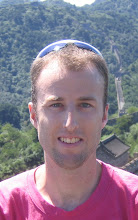
In the past few weeks I’ve done a couple of notable things. For the first time, I served as a judge for an English competition. A parent of one of the young students at my school invited me to an English competition held at his company. I took along a British friend since they asked me to find a woman to serve as the second judge. We were picked up and driven to a building near the Nanjing port on the Yangtze River. The company is a subsidiary of the national oil and petrochemical company Sinopec. The main business of this Nanjing-based subsidiary is selling diesel to ships in the port, among other shipping and port services. May 4th was Youth Day, which honors people from in their teens and 20s. All of the company’s under-28 employees, about 70 in all, took an English exam and the top eight were selected for the competition. Two Chinese executives and my friend and I scored each contestant on a self-introduction and their answer to a question that we asked them, chosen from a long list of possible questions. There was supposed to be a karaoke part where we judged their singing ability in English, but thankfully the karaoke system broke down during the first song, a rendition of Hey Jude, so we only had to listen to half a song instead of eight.
There was also a long segment on business English relevant to the company’s industry. It was extremely technical and seemed to involve language that employees use when communicating with foreign ships, such as “What is the capacity of your secondary fuel tank?” “According to MARPOL standards, you must connect to our barge before extending the diesel hose...” The contestants had to translate phrases like this from English to Chinese and vice versa, examine charts of a ship’s statistics (fuel levels, temperatures, chemical content), which where just a mix of numbers and percentages, and then pick out the one value that was beyond the normally permitted bounds. There was also a segment of questions where a national flag was displayed and they had to name the country. There were a number of Asian countries, in addition to Liberia, Panama, Greece, and Cyprus. About 1/3 of the ships at the Nanjing port, which is maybe 150 miles inland but still in pretty deep water, are from countries other than China. Because of favorable laws in those last four countries, a disproportionate number of ships are registered in those nations. Overall, the contestants were really good at these technical questions and the relevant English, which didn’t make much sense to me, but were really poor at understanding and answering the questions that we gave them (What kind of books do you like to read? Who is one person who has influenced you?).
After the competition, eight older men, executives or members of the board of directors, talked to everyone about how valuable their young employees are to the company and how English is so important to everyone’s work. They went on and on for about one hour. Finally, some of the execs took the judges and the winner of the competition out for dinner at a nice hotel down the street where we had a huge feast of some local vegetable and duck dishes, three kinds of local fish, and steak, shrimp, and squid.
On April 30th I went to Changzhou and spent most of May 1st there before coming back to Nanjing for some English classes on the second. The weather was really nice and hot that weekend. Since it was a three-day weekend for the Labor Day holiday, the subway to the train station was packed (it was so crowded, stuffy, and hot that a woman next to me fainted). The train to Changzhou was also packed. Even though I bought my ticket nearly a week ahead of time, all the seats were sold out so I was given a “standing ticket.” I’ve never been relegated to a standing ticket before, but a nice family with a young girl crammed into three seats and offered their fourth seat to me. They were coming from an inland province to go see the World Expo in Shanghai and were pleased to have a chance to chat with me.
I stayed in the old place where I used to live in Changzhou. My three old roommates are all still living there, although the school has moved to a newly built campus. I had a fun night with them and then had a picnic and played Frisbee and soccer in a park the next morning. I spent the afternoon in downtown Changzhou, which wasn’t very pleasant because it was full of people and loud construction. I went to two large parks but could never find a quiet spot and was never left alone. When many people are off of work and school all at the same time, the public spaces in China’s cities become overwhelmed with people. National holidays also coincide with shopping sales, which makes the city crowds even worse.
Lately I have found some time to get out and do some serious running again. It feels good to have really warm weather and be active again. There are some minor running events in Nanjing and I may join one of the big marathons in the fall with a friend and do a half marathon. Last weekend Nanjing Normal University had a sports meet for graduate students. I missed the one for undergraduates last year because of work, but this time I rearranged my Saturday English classes and joined the sports meet for the opening ceremony and competed in two events. The opening ceremony was very official and highly coordinated, like most events in China, whether big or small. One by one, a group of 20-30 students representing a different college or department and dressed in uniforms and carrying banners marched around the track and paused at the main stands to do a brief performance. My classmates were told to wear something representative of our home country. I was told to wear a suit but choose to wear a T-shirt, running shoes, and shorts instead. Only some of the girls in my class from different Asian countries wore traditional outfits. I thought my Nike shorts and Asics running shoes were typical enough for American dress. I did the long jump and my best jump was 4.8 meters, which was okay (around 10th place) but turned out to be about a meter short of the longest jump of the day. My other event was the long distance run, which was 1500 meters. A few days before all of the runners had to go to the university clinic to have our heart (an EKG) and blood pressure checked. I’ve encountered so many ridiculous things in China that nothing really surprises me anymore. It was hard not to laugh however, when a nurse asked me if I thought I could run 1.5 kilometers and needed to do this health check just to make sure. I just said “yes,” and didn’t bring up the fact that I’ve run a marathon – 42 kilometers – without a problem. I was in the last heat, and there was one guy with the look of a fast and extremely fit runner, who also turned out to be from the sports and kinesiology department, and he blew us all away. I came in third out of 15 runners. There was no final heat and I’m not sure where my time stood among all the runners. It was a fun time and I hope to get a lot more running in before the rainy season starts. In June it’s often in the 90s and it rains almost every day. The weather in May is quite ideal, however, and it has been that way so far.
There are some recent pictures here: http://www.flickr.com/photos/59071041@N00/
A piece about the English competition: http://www.zshcr.com.cn/news_view.asp?id=2523
Monday, May 10, 2010


Tuesday, May 04, 2010
25
I'm now 25 years old, which is a milestone that warrants some reflection as I'm no longer in my early 20s, I'm much closer to 30 than my teenage years, and have already lived a full quarter of a century.
This semester I've been taking graduate level courses in Chinese and education. My teachers last semester suggested that I apply for a scholarship and in the middle of the school year it was not possible to apply for the undergraduate Chinese language program. I had completed year two and was going to go on to year three of the language classes. There were ten spots available for spring enrollment in a relatively new program - a master's in teaching Chinese as a foreign language. The classes are more challenging than the language classes I was in before because they're lectures and involve a some independent reading, writing, presentations and projects. My classmates all have very good levels of Chinese so it's pushing me to work harder and keep up. As a teacher, I also find the classes quite useful because our courses cover education related topics such as pedagogy, second language acquisition, and cross-cultural communication. There are no universities that I know of in China that offer an MA in TESOL (teaching English to speakers of other languages), so an MA in teaching Chinese to speakers of other languages is an adequate substitute, not to mention that everything is conducted in Chinese and with a scholarship it's free and includes a small monthly stipend on the side. My classmates are pretty diverse, coming Eastern Europe (Poland, Russia and the Ukraine), South Asia (Sri Lanka), central Asia (Mongolia, Kyrgyzstan) and Southeast Asia (Vietnam, Thailand, Indonesia, and Malaysia). There is one other American and we are the only students who's home country is in the western hemisphere and we're the only native English speakers.
In recent weeks I've been busy with my old job teaching little kids, though I've cut down my hours and now have started tutoring high school students at Nanjing Normal University through a training center that helps prepare students to study abroad. I will become more involved there this summer when I have more time and when summer classes will be organized for SAT and TOEFL exam preparation. There may also be AP classes depending on what AP subjects students plan to take the exams for.
We had midterm exams in late April and now I'm working on a project and two papers due at the end of the semester in June.
It's really warm and so far pretty dry. It is not uncommon to have temperatures in the 80s during the day and in the 70s at night now. June is the wettest month of the year, when it rains nearly every evening, so I'm waiting for the regular rainstorms to come soon.
This semester I've been taking graduate level courses in Chinese and education. My teachers last semester suggested that I apply for a scholarship and in the middle of the school year it was not possible to apply for the undergraduate Chinese language program. I had completed year two and was going to go on to year three of the language classes. There were ten spots available for spring enrollment in a relatively new program - a master's in teaching Chinese as a foreign language. The classes are more challenging than the language classes I was in before because they're lectures and involve a some independent reading, writing, presentations and projects. My classmates all have very good levels of Chinese so it's pushing me to work harder and keep up. As a teacher, I also find the classes quite useful because our courses cover education related topics such as pedagogy, second language acquisition, and cross-cultural communication. There are no universities that I know of in China that offer an MA in TESOL (teaching English to speakers of other languages), so an MA in teaching Chinese to speakers of other languages is an adequate substitute, not to mention that everything is conducted in Chinese and with a scholarship it's free and includes a small monthly stipend on the side. My classmates are pretty diverse, coming Eastern Europe (Poland, Russia and the Ukraine), South Asia (Sri Lanka), central Asia (Mongolia, Kyrgyzstan) and Southeast Asia (Vietnam, Thailand, Indonesia, and Malaysia). There is one other American and we are the only students who's home country is in the western hemisphere and we're the only native English speakers.
In recent weeks I've been busy with my old job teaching little kids, though I've cut down my hours and now have started tutoring high school students at Nanjing Normal University through a training center that helps prepare students to study abroad. I will become more involved there this summer when I have more time and when summer classes will be organized for SAT and TOEFL exam preparation. There may also be AP classes depending on what AP subjects students plan to take the exams for.
We had midterm exams in late April and now I'm working on a project and two papers due at the end of the semester in June.
It's really warm and so far pretty dry. It is not uncommon to have temperatures in the 80s during the day and in the 70s at night now. June is the wettest month of the year, when it rains nearly every evening, so I'm waiting for the regular rainstorms to come soon.
Saturday, March 06, 2010
Pictures from Thailand
http://picasaweb.google.com/sambrummitt/Pretrip02
http://picasaweb.google.com/sambrummitt/Bangkok
http://picasaweb.google.com/sambrummitt/Food
http://picasaweb.google.com/sambrummitt/SignsWithMyName
http://picasaweb.google.com/sambrummitt/Phuket#
http://picasaweb.google.com/sambrummitt/Bangkok
http://picasaweb.google.com/sambrummitt/Food
http://picasaweb.google.com/sambrummitt/SignsWithMyName
http://picasaweb.google.com/sambrummitt/Phuket#
Monday, March 01, 2010
Spring Festival Trip to Thailand
After working extra hours in late January and early February for reasons such as two teachers who took time off to travel and a ten-day winter holiday class for kids during their school break, I was on vacation for nearly two weeks. I attended two banquets for the Chinese New Year (also known as Spring Festival) in Nanjing, both were put on by the school I work for - one with students and parents in a hotel ballroom and another for just the staff at a restaurant. Early in the morning on February 11th it snowed pretty heavily and during the day everything became slushy and wet. I was happy to get be able to get out of the city the next day and fly two hours south to Guangzhou. The weather wasn’t much better there – very cold and rainy – but I stayed only one night and took another flight to Bangkok on the 13th.
During the first two days of the trip I wore just enough to keep me warm – jeans, two pairs of socks, a short sleeve and a long sleeve shirt, a light jacket, and a thin rain jacket – as I went to the Nanjing airport, and then kept all that on during the next two days because it was in the 40s and raining in Guangzhou. When I got off the plane in Bangkok it was in the 80s and quite humid. It was only a short ride on an air-conditioned bus to get downtown, so I shed my jacket and waited until I got to my hostel before changing into shorts and flip flops.
I met a guy on the plane who is from Madagascar and works in China and since he didn't have a room reserved he came along and took the last empty room in my hostel. We ended up spending the next day and a half seeing Bangkok together.
Bangkok was a really vibrant city full of travelers from around the world. It was similar in some ways to China -- streets crowded with noisy and fast traffic, sidewalks full of pedestrians, many food vendors selling cheap drinks, snacks and whole meals out of carts, and tables of souvenirs, fake DVDs and designer goods. I ran into a number of Chinese people, both ethnic Chinese who live in Thailand and families who were travelling for the New Year holiday in Thailand. Traditional Chinese characters are always frequently used in signs in Thailand and English was widely spoken so it was easy for me to get around and do some shopping.
Some things were very different from China – there are few bicycles but many motorbikes. There were lots of pickup trucks and nearly all of the cars were Japanese brands. With the guy from Madagascar, I went to Chinatown on the 14th, the first day of the Chinese New Year, and saw some of the festivities with dragon costumes, fireworks, and Chinese snack foods. I also went by a number of Buddhist temples, the Golden Palace, rode a motorized three-wheeled tuk tuk, took the elevated commuter train, and did lots of shopping. Clothes and souvenirs were all really inexpensive. I have never eaten Thai food in China, where you can only find it a small number of upscale Thai restaurants in big cities, so I was happy to find fresh and cheap (and spicy!) Thai food everywhere. There was also lots of Indian food, which I had for dinner one night.
After spending three nights in Bangkok I got on another plane for a one-hour flight to Phuket. I spent just over five days there and experienced quite a bit of my mom's new life as an English teacher in Thailand (she's now known as teacher MJ). I also learned a lot about Phuket’s different social groups - the sunburnt tourists, the fat doms (dirty old men) who are there for the sex, the local Thais of all ages and income levels, the Burmese laborers, and the teachers and retirees from Western countries. I arrived just after 6 PM and by the time I got in a taxi with my mom to go home it was dark so I didn't see much of the island or her neighborhood at first but by the end of the week I was very familiar with Phuket. That night we ate dinner at a Middle Eastern restaurant just a few minute walk from the house and it was the first of many excellent meals that week.
On Wednesday morning I joined Mom on her commute to school, we left at 7:15 AM. There was a morning assembly on the open-air ground floor of the school. While that was going on I met many teachers, both foreign and Thai. I went to three classes that morning where Mom and I co-taught a lesson on the volume of cuboids and the kids had fun chatting with their "guest teacher" who happened to be their math teacher’s son. In between those classes we snuck out to have breakfast in the café next to the school. We went back there later for lunch, too, and I met two parents that mom has befriended. By now she seems to know everyone.
In the afternoon, teacher MJ didn't have anything to do at school until 4 PM so we snuck home, dropped our stuff off, and then went out on the moped to see some beaches and a lookout point on the southwest corner of the island. It was extremely hot that day at well over 90 Fahrenheit. The shops were all doing a slow business because there were not many tourists. Everyone who was on the beach that day was relaxing under the shade of big umbrellas, sipping drinks on ice and fanning themselves. It was too hot for us to do much so we went home to go for a swim, only to find that the water in the pool was also pretty hot after baking in the sun all day.
We went back to school for Mom's last class during the final period of the day. That night we went to Phuket Town to eat at a multi-level open-air restaurant, called The Natural, which is full of trees, plants, and fish tanks. The restaurant was on a nondescript city street in a rundown part of town, but as soon as we stepped into the place it felt like we were in a rainforest. After sweating all day in the intense heat I sweated a lot more throughout the dinner because I ate a seafood soup that turned out to be extremely spicy. Several times during our meal large leaves fell onto our table from the trees around us. It was one of the coolest restaurants I’ve ever been to.
On Thursday teacher MJ and teacher Amy went off to school very early while I slept in and headed out mid-morning on the moped to visit different spots around the island. I saw a large pier on Rawai beach just down the street from Mom's house where boats depart for smaller nearby islands. There were long wooden fishing boats moored to the beach, which was scattered with coconuts and huge cages for catching seafood. I went up and over the mountains in the middle of the island to get to the west coast. There were a lot more tourists on that side, many of whom who stuck out because of their large waistlines and overly tan or sunburnt skin. There were lots of souvenirs and fake goods for sale and touristy things like massage tents on the beach, moped rentals, parasailing, and swarms of tuk tuk drivers looking for passengers.
That night two young Chinese women who teach at MJ and Amy's school came over for dinner. The five of us walked down the beach for a while and picked up a few crabs that were hanging out on the sand; the smallest ones were almost translucent. We also ran into a few local kids – a boy in his early teens was riding a moped with three little kids in the sidecar. For dinner we shared nearly ten dishes of Thai food at a roadside restaurant. Another cute little kid was their playing with his toy cars and guns and making us laugh. After eating we crossed the street to have massages from blind masseuses. All five of us were in one large room; we chatted in English and Chinese while the five masseuses conversed in Thai (probably about us) throughout the hour-long massage.
On Friday morning MJ and Amy left for school at 7:15 again and I went there on my own a bit later. I volunteered as a guest teacher again and this time I taught two Chinese classes – just very basic things like greetings and colors. We had lunch at the café next door, and then took off in the afternoon to Phuket Town where we went shopping and later saw some monkeys on a hill just outside of town.
After a brief stop at home, we rode the moped to the west side of the island where we sat on plastic stools at a folding table on the sidewalk and ate bowls of noodles cooked in a cart (the meal for the three of us was about $3). After finishing off the noodles we walked down the street and stopped again for dessert when we saw a place selling sticky rice with mango and sweetened condensed milk. The west side of the island is full of tourists and that Friday night was hopping. We walked down a bar street where people stand and gawk at dancers – and lady boys (male to female transsexuals). You could pose for a picture with either a lady boy or with a huge iguana that guys were offering up for a fee.
There was a party on the beach that weekend with a huge temporary bar and some big name DJs so the beach was packed, too. Spotlights at the concert illuminated the sky and every once in a while we would catch glimpse of bats flying through the beams of light. We bought a four-foot high paper lantern to light and launch from the beach. It was a very moving experience to stand on the beach, with the ambient sound of waves crashing into the shore and the thumping beats from the concert, and watch our lantern gently float up and out over the ocean, where it joined a dozen more lanterns that formed a constellation of flickering lights in the clear, starry night sky.
It was nearly midnight when we got back on our motorbikes to head back to the other side of the island. After a night of cheap Thai food, bars with dancing lady boys, and a DJ spinning beats on the beach (what a way to spend a Friday night with my mom) we went to a restaurant called Happy Days that serves some very authentic Western food. We had one of MJ and Amy’s favorite treats – apple crumble with custard (the British kind of hot custard, not Wisconsin frozen custard) and a couple of fruit smoothies. It was the perfect nightcap to a fun night out in Phuket.
That weekend we went to a national park on the north end of the island with three other teachers from MJ and Amy’s school to ride zip lines from platform to platform high up in the trees. Mom and I also rode an elephant up in the mountains. We spent part of one day on the beach and snorkeled, did some shopping and sampled local treats at a fair at a Buddhist temple (tiny bird eggs, taco-shaped things with cream and shaved egg yolk, and fried crickets and maggots), and had drinks and snacks at a hillside restaurant overlooking the western coast where we watched the sun set over the Andaman sea. That restaurant probably topped The Natural restaurant in Phuket Town as the coolest restaurant I’ve ever been to. We ended the weekend at the Happy Days restaurant where we had eaten apple crumble with custard earlier in the week. Amy had a vegetarian Thai dish and my mom and I both had a scrumptious Sunday roast, just like the British do, with generous servings of roasted vegetables, roasted potatoes and mashed potatoes, beef and chicken and pork, bread pudding and pumpkin soup.
Each day while I was there I sampled new food and drinks, indulging in both Thai food and western food (both of which are much better than what I can find in Nanjing). At home each afternoon we would go for a swim in the pool only 50 yards from their house. And every evening we’d sit on the porch, sipping mango smoothies and eating fresh coconuts while listening to all the wildlife around us (the crickets, birds, and bull frogs and who knows what else are really loud!). I met some of her neighbors (they seemed to all be European) and some of the local people who do the grounds keeping. Some of her other neighbors include a handful of cows, deer and swans.
Mom/Merb/MJ is doing really well in Thailand and enjoying every moment (as you can gather from reading her blog). She wants me to verify that she’s not exaggerating when she says she is extremely content in Thailand and to reassure to everyone back home not to worry or feel sorry for her – she is loving every minute of her life there. The honeymoon period when you move to a new place usually lasts only a month or two, but she seemed to have not yet come down from the initial euphoria of moving to Thailand (and it’s been over four months). She is still giddy about her good fortune to end up with a teaching job she likes, a house and a neighborhood that she loves, and an active and adventure-filled life on a tropical island. I phrase I heard from her many times was “I just love it!” That sums up my trip to Thailand, too. I loved it. The food is excellent (the local food is so spicy, fresh, and delicious, and there’s lots of good western food, too), Thai people are extremely friendly and open, each day was sunny and hot, the beaches and rainforests were gorgeous, and I had many unforgettable experiences serving as a guest teacher in my mom’s school, snorkeling at a small and quiet beach, riding a zip line in a tropical forest, swimming in the pool near the house each afternoon, riding an elephant, and feeding wild monkeys.
During the first two days of the trip I wore just enough to keep me warm – jeans, two pairs of socks, a short sleeve and a long sleeve shirt, a light jacket, and a thin rain jacket – as I went to the Nanjing airport, and then kept all that on during the next two days because it was in the 40s and raining in Guangzhou. When I got off the plane in Bangkok it was in the 80s and quite humid. It was only a short ride on an air-conditioned bus to get downtown, so I shed my jacket and waited until I got to my hostel before changing into shorts and flip flops.
I met a guy on the plane who is from Madagascar and works in China and since he didn't have a room reserved he came along and took the last empty room in my hostel. We ended up spending the next day and a half seeing Bangkok together.
Bangkok was a really vibrant city full of travelers from around the world. It was similar in some ways to China -- streets crowded with noisy and fast traffic, sidewalks full of pedestrians, many food vendors selling cheap drinks, snacks and whole meals out of carts, and tables of souvenirs, fake DVDs and designer goods. I ran into a number of Chinese people, both ethnic Chinese who live in Thailand and families who were travelling for the New Year holiday in Thailand. Traditional Chinese characters are always frequently used in signs in Thailand and English was widely spoken so it was easy for me to get around and do some shopping.
Some things were very different from China – there are few bicycles but many motorbikes. There were lots of pickup trucks and nearly all of the cars were Japanese brands. With the guy from Madagascar, I went to Chinatown on the 14th, the first day of the Chinese New Year, and saw some of the festivities with dragon costumes, fireworks, and Chinese snack foods. I also went by a number of Buddhist temples, the Golden Palace, rode a motorized three-wheeled tuk tuk, took the elevated commuter train, and did lots of shopping. Clothes and souvenirs were all really inexpensive. I have never eaten Thai food in China, where you can only find it a small number of upscale Thai restaurants in big cities, so I was happy to find fresh and cheap (and spicy!) Thai food everywhere. There was also lots of Indian food, which I had for dinner one night.
After spending three nights in Bangkok I got on another plane for a one-hour flight to Phuket. I spent just over five days there and experienced quite a bit of my mom's new life as an English teacher in Thailand (she's now known as teacher MJ). I also learned a lot about Phuket’s different social groups - the sunburnt tourists, the fat doms (dirty old men) who are there for the sex, the local Thais of all ages and income levels, the Burmese laborers, and the teachers and retirees from Western countries. I arrived just after 6 PM and by the time I got in a taxi with my mom to go home it was dark so I didn't see much of the island or her neighborhood at first but by the end of the week I was very familiar with Phuket. That night we ate dinner at a Middle Eastern restaurant just a few minute walk from the house and it was the first of many excellent meals that week.
On Wednesday morning I joined Mom on her commute to school, we left at 7:15 AM. There was a morning assembly on the open-air ground floor of the school. While that was going on I met many teachers, both foreign and Thai. I went to three classes that morning where Mom and I co-taught a lesson on the volume of cuboids and the kids had fun chatting with their "guest teacher" who happened to be their math teacher’s son. In between those classes we snuck out to have breakfast in the café next to the school. We went back there later for lunch, too, and I met two parents that mom has befriended. By now she seems to know everyone.
In the afternoon, teacher MJ didn't have anything to do at school until 4 PM so we snuck home, dropped our stuff off, and then went out on the moped to see some beaches and a lookout point on the southwest corner of the island. It was extremely hot that day at well over 90 Fahrenheit. The shops were all doing a slow business because there were not many tourists. Everyone who was on the beach that day was relaxing under the shade of big umbrellas, sipping drinks on ice and fanning themselves. It was too hot for us to do much so we went home to go for a swim, only to find that the water in the pool was also pretty hot after baking in the sun all day.
We went back to school for Mom's last class during the final period of the day. That night we went to Phuket Town to eat at a multi-level open-air restaurant, called The Natural, which is full of trees, plants, and fish tanks. The restaurant was on a nondescript city street in a rundown part of town, but as soon as we stepped into the place it felt like we were in a rainforest. After sweating all day in the intense heat I sweated a lot more throughout the dinner because I ate a seafood soup that turned out to be extremely spicy. Several times during our meal large leaves fell onto our table from the trees around us. It was one of the coolest restaurants I’ve ever been to.
On Thursday teacher MJ and teacher Amy went off to school very early while I slept in and headed out mid-morning on the moped to visit different spots around the island. I saw a large pier on Rawai beach just down the street from Mom's house where boats depart for smaller nearby islands. There were long wooden fishing boats moored to the beach, which was scattered with coconuts and huge cages for catching seafood. I went up and over the mountains in the middle of the island to get to the west coast. There were a lot more tourists on that side, many of whom who stuck out because of their large waistlines and overly tan or sunburnt skin. There were lots of souvenirs and fake goods for sale and touristy things like massage tents on the beach, moped rentals, parasailing, and swarms of tuk tuk drivers looking for passengers.
That night two young Chinese women who teach at MJ and Amy's school came over for dinner. The five of us walked down the beach for a while and picked up a few crabs that were hanging out on the sand; the smallest ones were almost translucent. We also ran into a few local kids – a boy in his early teens was riding a moped with three little kids in the sidecar. For dinner we shared nearly ten dishes of Thai food at a roadside restaurant. Another cute little kid was their playing with his toy cars and guns and making us laugh. After eating we crossed the street to have massages from blind masseuses. All five of us were in one large room; we chatted in English and Chinese while the five masseuses conversed in Thai (probably about us) throughout the hour-long massage.
On Friday morning MJ and Amy left for school at 7:15 again and I went there on my own a bit later. I volunteered as a guest teacher again and this time I taught two Chinese classes – just very basic things like greetings and colors. We had lunch at the café next door, and then took off in the afternoon to Phuket Town where we went shopping and later saw some monkeys on a hill just outside of town.
After a brief stop at home, we rode the moped to the west side of the island where we sat on plastic stools at a folding table on the sidewalk and ate bowls of noodles cooked in a cart (the meal for the three of us was about $3). After finishing off the noodles we walked down the street and stopped again for dessert when we saw a place selling sticky rice with mango and sweetened condensed milk. The west side of the island is full of tourists and that Friday night was hopping. We walked down a bar street where people stand and gawk at dancers – and lady boys (male to female transsexuals). You could pose for a picture with either a lady boy or with a huge iguana that guys were offering up for a fee.
There was a party on the beach that weekend with a huge temporary bar and some big name DJs so the beach was packed, too. Spotlights at the concert illuminated the sky and every once in a while we would catch glimpse of bats flying through the beams of light. We bought a four-foot high paper lantern to light and launch from the beach. It was a very moving experience to stand on the beach, with the ambient sound of waves crashing into the shore and the thumping beats from the concert, and watch our lantern gently float up and out over the ocean, where it joined a dozen more lanterns that formed a constellation of flickering lights in the clear, starry night sky.
It was nearly midnight when we got back on our motorbikes to head back to the other side of the island. After a night of cheap Thai food, bars with dancing lady boys, and a DJ spinning beats on the beach (what a way to spend a Friday night with my mom) we went to a restaurant called Happy Days that serves some very authentic Western food. We had one of MJ and Amy’s favorite treats – apple crumble with custard (the British kind of hot custard, not Wisconsin frozen custard) and a couple of fruit smoothies. It was the perfect nightcap to a fun night out in Phuket.
That weekend we went to a national park on the north end of the island with three other teachers from MJ and Amy’s school to ride zip lines from platform to platform high up in the trees. Mom and I also rode an elephant up in the mountains. We spent part of one day on the beach and snorkeled, did some shopping and sampled local treats at a fair at a Buddhist temple (tiny bird eggs, taco-shaped things with cream and shaved egg yolk, and fried crickets and maggots), and had drinks and snacks at a hillside restaurant overlooking the western coast where we watched the sun set over the Andaman sea. That restaurant probably topped The Natural restaurant in Phuket Town as the coolest restaurant I’ve ever been to. We ended the weekend at the Happy Days restaurant where we had eaten apple crumble with custard earlier in the week. Amy had a vegetarian Thai dish and my mom and I both had a scrumptious Sunday roast, just like the British do, with generous servings of roasted vegetables, roasted potatoes and mashed potatoes, beef and chicken and pork, bread pudding and pumpkin soup.
Each day while I was there I sampled new food and drinks, indulging in both Thai food and western food (both of which are much better than what I can find in Nanjing). At home each afternoon we would go for a swim in the pool only 50 yards from their house. And every evening we’d sit on the porch, sipping mango smoothies and eating fresh coconuts while listening to all the wildlife around us (the crickets, birds, and bull frogs and who knows what else are really loud!). I met some of her neighbors (they seemed to all be European) and some of the local people who do the grounds keeping. Some of her other neighbors include a handful of cows, deer and swans.
Mom/Merb/MJ is doing really well in Thailand and enjoying every moment (as you can gather from reading her blog). She wants me to verify that she’s not exaggerating when she says she is extremely content in Thailand and to reassure to everyone back home not to worry or feel sorry for her – she is loving every minute of her life there. The honeymoon period when you move to a new place usually lasts only a month or two, but she seemed to have not yet come down from the initial euphoria of moving to Thailand (and it’s been over four months). She is still giddy about her good fortune to end up with a teaching job she likes, a house and a neighborhood that she loves, and an active and adventure-filled life on a tropical island. I phrase I heard from her many times was “I just love it!” That sums up my trip to Thailand, too. I loved it. The food is excellent (the local food is so spicy, fresh, and delicious, and there’s lots of good western food, too), Thai people are extremely friendly and open, each day was sunny and hot, the beaches and rainforests were gorgeous, and I had many unforgettable experiences serving as a guest teacher in my mom’s school, snorkeling at a small and quiet beach, riding a zip line in a tropical forest, swimming in the pool near the house each afternoon, riding an elephant, and feeding wild monkeys.
Thursday, February 11, 2010
December and January
I meant to post this in early January. But then final exams came and work went into overdrive with an English camp over the winter break. So here’s a recap of the last two months (and the last decade, since it’s now the 2010s).
A year has gone by and with it a decade comes to an end. I remember watching countries around the world celebrate the new millennium ten years ago before and after daytime basketball practice in the WFBHS field house. I celebrated that New Year with my family at home. In the 2000s I finished high school, went through college spending three years in Madison and one in Spain, and then I spent the last quarter of the decade in China. A long period of peace and prosperity in the United States that stretched through 1990s came to an abrupt end with the dot-com crash and the September 11th attacks, and this decade ended with another economic recession and bursting of an asset bubble.
In December I spent the majority of my time at work and school. Most days I’m out of my apartment from 8 am to 8 pm, juggling university classes and work. I didn’t have much time to sit at home and blog, so please excuse my lack of blog posts.
I celebrated Christmas by going to IKEA and a Costco-like store to buy some things for myself and a few small gifts. I also went to a church for the first time in China on Christmas Eve. The two churches downtown were packed with people and I got into one in time to see some Christmas carols sung in Chinese and a mass conducted in Chinese and English. There was a huge police presence on the streets that night, particularly in areas around the few churches in Nanjing. It was a clear and direct manifestation of the government’s concerns over civil society groups and any large gathering of people. And with big brother’s presence everywhere, it created an eerie and tense feeling underneath the festive atmosphere of Christmas Eve.
In late December I had a brief break at work for the New Year holiday so I bought train tickets and got out of the city for the first time since I arrived in September. I went east about 40 minutes to a city called Danyang where there are glasses are made and sold for very cheap prices. I simply walked out of the train station, crossed the street, and I was in a mall full of glasses shops. I spent just over an hour looking at half a dozen stores and then finally found a pair of the kind of glasses I was looking for – brown colored half-frames with square lenses. I planned on getting just one pair, but when I tried on a pair of the light-as-a-feather Silhouette glasses I knew I had to get a pair of those, too. They were only $30 and $35 each. The city is a destination for people who come from far away places to buy glasses or glasses parts or accessories like cases wholesale. Buying one or two pairs is really easy, too, save for the difficulty in choosing just one pair out of the thousands available. It was worth the trip because the prices are so low. I walked down the street to find lunch after my glasses were made (in no longer than 20 minutes) and had a hard time finding restaurants among all the glasses shops.
From there I went to Changzhou, where I headed directly to the international school and ran into a few teachers that
I had worked with before. I saw a number of students. I had a lot of 7th and 8th grade students in the fall of 2008, and at that age they change extremely fast so it was a shock to see how much they had all grown up. It wasn’t just the growth spurts in the young students in the span of just one year that shocked me, the city had changed a lot as well. The area where I lived and worked was a new suburb that was mostly farmland a decade or two earlier (parts of it still are). There were a good number of apartment towers that I saw completed for the first time and additional blocks of apartment towers that were just started. I stayed in my old house that night and that was about the only thing that hadn’t changed. The same old and worn furniture, stacks of DVDs, fraying posters on the walls, permanent black spots and stickiness on the floor.
In January I took some final exams and had lunch with my class and two main teachers when they were finally over. The other American student in my class is a few years older than me and lives in Nanjing with her husband, also an American, and their two year-old son. She missed the last month or so of classes because she gave birth to her second child on December 24. Her whole family showed up for the lunch.
In the middle of the month we spent two days at school shooting a commercial with a video team from the local TV station. I’ll see if I can get my hands on a copy and put it online.
I’m going to Thailand (Bangkok and Phuket) for the Spring Festival, for which I have 11 days off of work. I’ll blog from there, where I can access Blogspot directly (it’s blocked in China). It snowed last night in Nanjing and it was really slushy and icy outside today, so it’s the perfect team to leave and head south for some warm tropical weather.
Happy Year of the Tiger!
A year has gone by and with it a decade comes to an end. I remember watching countries around the world celebrate the new millennium ten years ago before and after daytime basketball practice in the WFBHS field house. I celebrated that New Year with my family at home. In the 2000s I finished high school, went through college spending three years in Madison and one in Spain, and then I spent the last quarter of the decade in China. A long period of peace and prosperity in the United States that stretched through 1990s came to an abrupt end with the dot-com crash and the September 11th attacks, and this decade ended with another economic recession and bursting of an asset bubble.
In December I spent the majority of my time at work and school. Most days I’m out of my apartment from 8 am to 8 pm, juggling university classes and work. I didn’t have much time to sit at home and blog, so please excuse my lack of blog posts.
I celebrated Christmas by going to IKEA and a Costco-like store to buy some things for myself and a few small gifts. I also went to a church for the first time in China on Christmas Eve. The two churches downtown were packed with people and I got into one in time to see some Christmas carols sung in Chinese and a mass conducted in Chinese and English. There was a huge police presence on the streets that night, particularly in areas around the few churches in Nanjing. It was a clear and direct manifestation of the government’s concerns over civil society groups and any large gathering of people. And with big brother’s presence everywhere, it created an eerie and tense feeling underneath the festive atmosphere of Christmas Eve.
In late December I had a brief break at work for the New Year holiday so I bought train tickets and got out of the city for the first time since I arrived in September. I went east about 40 minutes to a city called Danyang where there are glasses are made and sold for very cheap prices. I simply walked out of the train station, crossed the street, and I was in a mall full of glasses shops. I spent just over an hour looking at half a dozen stores and then finally found a pair of the kind of glasses I was looking for – brown colored half-frames with square lenses. I planned on getting just one pair, but when I tried on a pair of the light-as-a-feather Silhouette glasses I knew I had to get a pair of those, too. They were only $30 and $35 each. The city is a destination for people who come from far away places to buy glasses or glasses parts or accessories like cases wholesale. Buying one or two pairs is really easy, too, save for the difficulty in choosing just one pair out of the thousands available. It was worth the trip because the prices are so low. I walked down the street to find lunch after my glasses were made (in no longer than 20 minutes) and had a hard time finding restaurants among all the glasses shops.
From there I went to Changzhou, where I headed directly to the international school and ran into a few teachers that
I had worked with before. I saw a number of students. I had a lot of 7th and 8th grade students in the fall of 2008, and at that age they change extremely fast so it was a shock to see how much they had all grown up. It wasn’t just the growth spurts in the young students in the span of just one year that shocked me, the city had changed a lot as well. The area where I lived and worked was a new suburb that was mostly farmland a decade or two earlier (parts of it still are). There were a good number of apartment towers that I saw completed for the first time and additional blocks of apartment towers that were just started. I stayed in my old house that night and that was about the only thing that hadn’t changed. The same old and worn furniture, stacks of DVDs, fraying posters on the walls, permanent black spots and stickiness on the floor.
In January I took some final exams and had lunch with my class and two main teachers when they were finally over. The other American student in my class is a few years older than me and lives in Nanjing with her husband, also an American, and their two year-old son. She missed the last month or so of classes because she gave birth to her second child on December 24. Her whole family showed up for the lunch.
In the middle of the month we spent two days at school shooting a commercial with a video team from the local TV station. I’ll see if I can get my hands on a copy and put it online.
I’m going to Thailand (Bangkok and Phuket) for the Spring Festival, for which I have 11 days off of work. I’ll blog from there, where I can access Blogspot directly (it’s blocked in China). It snowed last night in Nanjing and it was really slushy and icy outside today, so it’s the perfect team to leave and head south for some warm tropical weather.
Happy Year of the Tiger!
Political and economic challenges for China in 2010
A good summary of the year ahead in China: http://www.economist.com/displayStory.cfm?story_id=14742402&source=features_box_main
Another interesting challenge in China is the sprawling size of its cities and the strains of absorbing so many migrants from rural areas and providing public services for its 500+ million urban residents. One problem is the long commutes people endure in Chinese cities http://www.economist.com/daily/chartgallery/displayStory.cfm?story_id=15106202 . My current commute is about 20 minutes walking. During rush hour, walking is faster than bus or car. Biking is almost always the best option.
Another interesting challenge in China is the sprawling size of its cities and the strains of absorbing so many migrants from rural areas and providing public services for its 500+ million urban residents. One problem is the long commutes people endure in Chinese cities http://www.economist.com/daily/chartgallery/displayStory.cfm?story_id=15106202 . My current commute is about 20 minutes walking. During rush hour, walking is faster than bus or car. Biking is almost always the best option.
Political and economic challenges for China in 2010
A good summary of the year ahead in China: http://www.economist.com/displayStory.cfm?story_id=14742402&source=features_box_main
Another interesting challenge in China is the sprawling size of its cities and the strains of absorbing so many migrants from rural areas and providing public services for its 500+ million urban residents. One problem is the long commutes people endure in Chinese cities http://www.economist.com/daily/chartgallery/displayStory.cfm?story_id=15106202 . My current commute is about 20 minutes walking. During rush hour, walking is faster than bus or car. Biking is almost always the best option.
Another interesting challenge in China is the sprawling size of its cities and the strains of absorbing so many migrants from rural areas and providing public services for its 500+ million urban residents. One problem is the long commutes people endure in Chinese cities http://www.economist.com/daily/chartgallery/displayStory.cfm?story_id=15106202 . My current commute is about 20 minutes walking. During rush hour, walking is faster than bus or car. Biking is almost always the best option.
Tuesday, December 01, 2009
November
I want to give a recap of November, given that I have not posted to this blog in a while. In the middle of the month I was busy with midterm exams and late in November I took a Chinese proficiency exam for foreigners and minorities in China (all non-native speakers).
I’ve also been working at a new ESL school a few weekdays and every weekend. I haven’t had a lot of English classes to teach, instead my responsibilities have been replaced with other things such as putting together lesson plans for single classes and curriculums for nine- and ten-month courses. The school has hired a few foreign teachers, and it has been my responsibility to recruit and interview them. The Chinese teachers that are hired I interview briefly once to judge their English skills and pronunciation.
I also do simple training sessions with the Chinese staff about once a week. With the office staff, which includes a few receptionists, a number of marketers, an accountant and an IT guy, we work on practical and fairly basic English skills. They are fun because they screw up a lot and love to laugh and joke around with each other. The other training sessions are with the Chinese English teachers and a few administrators who have advanced English skills so we practice more specific skills. I like them because I normally work closely with them so I know them well. They are also able to express their ideas well in English and tackle more difficult subjects, so the sessions are more serious and productive. I also do a lot of translating and editing of all sorts of documents. I was the only foreign teacher a couple months ago when the school opened – I was there at the ribbon-cutting ceremony, and now we have a handful of teachers and a few full classes of students and couple of students who take one-on-one classes with me.
The exam last Sunday, the HSK, is taken by thousands of people across the country a few times of year. In 1991 there were 2,000 foreign learners taking the Chinese exam that later became the HSK. In 2005, the number of candidates has risen sharply to 117,660.
You can also take it in the US, where Chinese is the fastest growing foreign language. Although the number of students learning Chinese is tiny compared with how many study Spanish or French. But one report shows that pre-college enrollment nearly quadrupled between 1992 and 2002, from 6,000 to 24,000. When the College Board polled schools a couple years ago about offering an Advanced Placement program for Chinese, it expected perhaps a few hundred to say they were interested. Instead, 2,400 high schools said they wanted to offer the class.
The HSK on Sunday was the same day as the Shanghai Marathon. I ran in that marathon last year after training for 9-10 months. Learning Chinese is a mental marathon but this one required more involved and patient preparation than a real marathon. I prepared for that exam through nearly two and half years of studying and a couple months of doing practice exams. I think I did okay and hopefully it’s the first step in moving beyond being a Chinese language student and English teacher to doing other things in China. There’s a lot of things in China I want to do, such as writing, research, translation, or business, so having a good command of the language and some experience living in China will me help jump into new things.
One goal that I accomplished was getting an essay published in a little newspaper for and by foreign students at Nanjing Normal University. It was an essay written for a class assignment to write a story about animals so I wrote about visiting Gibraltar and seeing the monkeys there. Along with the honor of seeing my writing published in Chinese, I was also paid ¥10 ($1.50) for it!
Elsewhere in China in November, Obama made a visit to Shanghai and Beijing, in addition to Japan, Singapore, and South Korea. Obama mania extends to some to China in some ways.
As is typical in Chinese official functions (this is also the case in the US for the most part), all the politics, speeches, press conferences, and strategic dialogues didn’t make a stir. Instead, the country was captivated by the fact that Obama carried his own umbrella in the rain and by an attractive young female university student in a red coat. Obama did bring up freedom of speech and access to information in answering a question about Twitter being blocked in China, which was nice to hear.
I’ve also been working at a new ESL school a few weekdays and every weekend. I haven’t had a lot of English classes to teach, instead my responsibilities have been replaced with other things such as putting together lesson plans for single classes and curriculums for nine- and ten-month courses. The school has hired a few foreign teachers, and it has been my responsibility to recruit and interview them. The Chinese teachers that are hired I interview briefly once to judge their English skills and pronunciation.
I also do simple training sessions with the Chinese staff about once a week. With the office staff, which includes a few receptionists, a number of marketers, an accountant and an IT guy, we work on practical and fairly basic English skills. They are fun because they screw up a lot and love to laugh and joke around with each other. The other training sessions are with the Chinese English teachers and a few administrators who have advanced English skills so we practice more specific skills. I like them because I normally work closely with them so I know them well. They are also able to express their ideas well in English and tackle more difficult subjects, so the sessions are more serious and productive. I also do a lot of translating and editing of all sorts of documents. I was the only foreign teacher a couple months ago when the school opened – I was there at the ribbon-cutting ceremony, and now we have a handful of teachers and a few full classes of students and couple of students who take one-on-one classes with me.
The exam last Sunday, the HSK, is taken by thousands of people across the country a few times of year. In 1991 there were 2,000 foreign learners taking the Chinese exam that later became the HSK. In 2005, the number of candidates has risen sharply to 117,660.
You can also take it in the US, where Chinese is the fastest growing foreign language. Although the number of students learning Chinese is tiny compared with how many study Spanish or French. But one report shows that pre-college enrollment nearly quadrupled between 1992 and 2002, from 6,000 to 24,000. When the College Board polled schools a couple years ago about offering an Advanced Placement program for Chinese, it expected perhaps a few hundred to say they were interested. Instead, 2,400 high schools said they wanted to offer the class.
The HSK on Sunday was the same day as the Shanghai Marathon. I ran in that marathon last year after training for 9-10 months. Learning Chinese is a mental marathon but this one required more involved and patient preparation than a real marathon. I prepared for that exam through nearly two and half years of studying and a couple months of doing practice exams. I think I did okay and hopefully it’s the first step in moving beyond being a Chinese language student and English teacher to doing other things in China. There’s a lot of things in China I want to do, such as writing, research, translation, or business, so having a good command of the language and some experience living in China will me help jump into new things.
One goal that I accomplished was getting an essay published in a little newspaper for and by foreign students at Nanjing Normal University. It was an essay written for a class assignment to write a story about animals so I wrote about visiting Gibraltar and seeing the monkeys there. Along with the honor of seeing my writing published in Chinese, I was also paid ¥10 ($1.50) for it!
Elsewhere in China in November, Obama made a visit to Shanghai and Beijing, in addition to Japan, Singapore, and South Korea. Obama mania extends to some to China in some ways.
As is typical in Chinese official functions (this is also the case in the US for the most part), all the politics, speeches, press conferences, and strategic dialogues didn’t make a stir. Instead, the country was captivated by the fact that Obama carried his own umbrella in the rain and by an attractive young female university student in a red coat. Obama did bring up freedom of speech and access to information in answering a question about Twitter being blocked in China, which was nice to hear.
Friday, October 16, 2009
Cars in China
The Chinese auto industry resembles that of the United States in the early 20th century. There are just over 70 auto manufactures in China, many of which started as parts suppliers and later began to put together their own cars and develop a brand, such as BYD, which was originally a battery producer, and Geely, which started as a refrigerator manufacturer, then moved into motorcycles and cars. Like the American car industry in its early stages, there will be a lot of consolidation and will eventually be just a handful of large companies.
China, which has 17 cars for every 1,000 people (compared to about 600 per thousand people in Germany and 800 per thousand people in the United States), is quickly expanding its private car fleet. Car sales topped one million for the first time in September, and earlier this year more cars were sold in China than in the United States, although that was mostly due to a severe slump in US car sales.
Chinese auto companies are aggressively pushing hybrids and electric cars and several will start selling cars in Europe and the US soon.
So rising pollution and oil imports are two enormous problems, but I always worry about other problems in addition to further oil consumption and CO2 emissions that are seldom raised. There is simply no room for many more cars. Given that traffic and parking is already bad in large Chinese cities, adding tens of millions of more cars, whether hybrid or electric or something else, would be a disaster.
China, which has 17 cars for every 1,000 people (compared to about 600 per thousand people in Germany and 800 per thousand people in the United States), is quickly expanding its private car fleet. Car sales topped one million for the first time in September, and earlier this year more cars were sold in China than in the United States, although that was mostly due to a severe slump in US car sales.
Chinese auto companies are aggressively pushing hybrids and electric cars and several will start selling cars in Europe and the US soon.
So rising pollution and oil imports are two enormous problems, but I always worry about other problems in addition to further oil consumption and CO2 emissions that are seldom raised. There is simply no room for many more cars. Given that traffic and parking is already bad in large Chinese cities, adding tens of millions of more cars, whether hybrid or electric or something else, would be a disaster.
Books in China
China is the guest of honor at this year’s Frankfurt Book Fair, which was a controversial selection because the country bans about 600 books each year and holds dozens of journalists and authors in prison.
Subscribe to:
Posts (Atom)